History of Ifrane in the Anti-Atlas
An epic deeply rooted in time, from the Numidian era to the modern age — a journey through two thousand years of resilience, coexistence, and cultural radiance in the heart of the Anti-Atlas Mountains.
What does “Ifrane” mean?
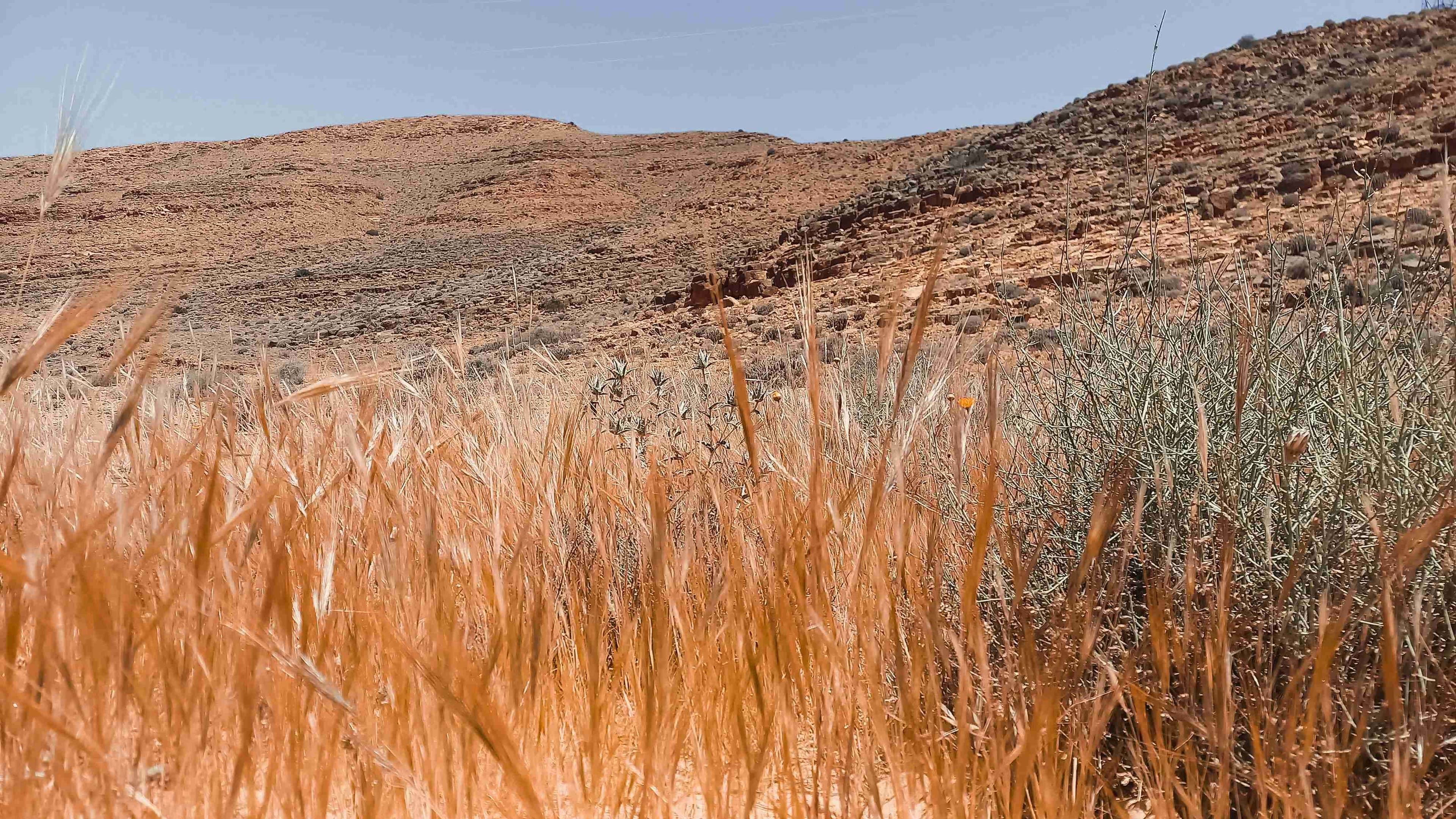
The name “Ifrane” traces back to Amazigh linguistic roots, where the word “Ifri” means cave or grotto. This name is not merely a label, but a precise description of the region’s geological nature, which once sheltered early humans within its natural caves in the heart of the Anti-Atlas Mountains. The choice of this name reflects the inhabitants’ deep connection to the land and environment, where caves served as the first line of shelter and protection for ancestors before the construction of the towering earthen kasbahs. Today, it symbolizes authenticity and resilience that have endured for thousands of years.
A history spanning across the ages
Ifrane of the Anti-Atlas is not a recent creation; it is a story of resilience that began more than 2,300 years ago. Great civilizations have passed through this land, from the ancient Numidian era to the golden Islamic age. Throughout history, the oasis served as a major commercial and military hub in southern Morocco, and an essential route for caravans coming from the depths of the Sahara toward the north. This deep historical legacy is what makes every stone in the oasis a living document that tells stories of glory, resistance, and unique human coexistence.
A center of knowledge, the “Valley of Literati”
Ifrane was known by the title “Valley of Literati,” a designation given to it by the scholar Al-Mukhtar al-Soussi in recognition of its distinguished scholarly status. The oasis was not merely an agricultural land, but an open university that included ancient schools from which great scholars, jurists, and poets graduated. The libraries of its mosques and kasbahs were filled with rare manuscripts in Islamic jurisprudence, astronomy, and the Arabic language. This intellectual legacy is the spirit that distinguishes Ifrane, where traditional education has remained an unextinguished flame, illuminating the paths of knowledge for generations after generations.
The system of kasbahs and the tribal fabric
The social structure of Ifrane is based on the cohesion of six ancient Amazigh tribes, which shaped a unique way of life reflected in the four major “ksour” (fortified villages). These ksour are not merely residential settlements, but architectural masterpieces built from clay and stone, reflecting both defensive ingenuity and aesthetic design. The ksar in Ifrane represents a complete social unit, where differences are dissolved in favor of protecting the oasis and maintaining the collective irrigation system and oasis management. It is a living embodiment of the concept of “community,” which has preserved its cohesion and values in the face of all modern transformations.
The epic of geography and history
For more than twenty-three centuries, Ifrane of the Anti-Atlas refused to remain merely a forgotten oasis tucked away in the corners of geography. Instead, it carved its name with pride as a shining chapter in the grand epic of human civilization. The great scholars of history were not blind to its charm and significance: Abu Ubayd al-Bakri immortalized it in his geographical encyclopedia Routes and Kingdoms, while the renowned historian Ibn Khaldun paused to mention it in his timeless Muqaddimah, describing it as a flourishing town of knowledge, vibrant with life, scholars, and urban prosperity.
As the centuries passed, the oasis never lost its brilliance; rather, it grew more deeply rooted. When the Spanish historian and traveler Luis del Mármol Carvajal reached it in the sixteenth century, he stood in awe of its beauty. In his writings, he described its bustling weekly markets filled with movement and trade, and its four fortified kasbahs standing proudly against the fragility of clay and the hardships of time.
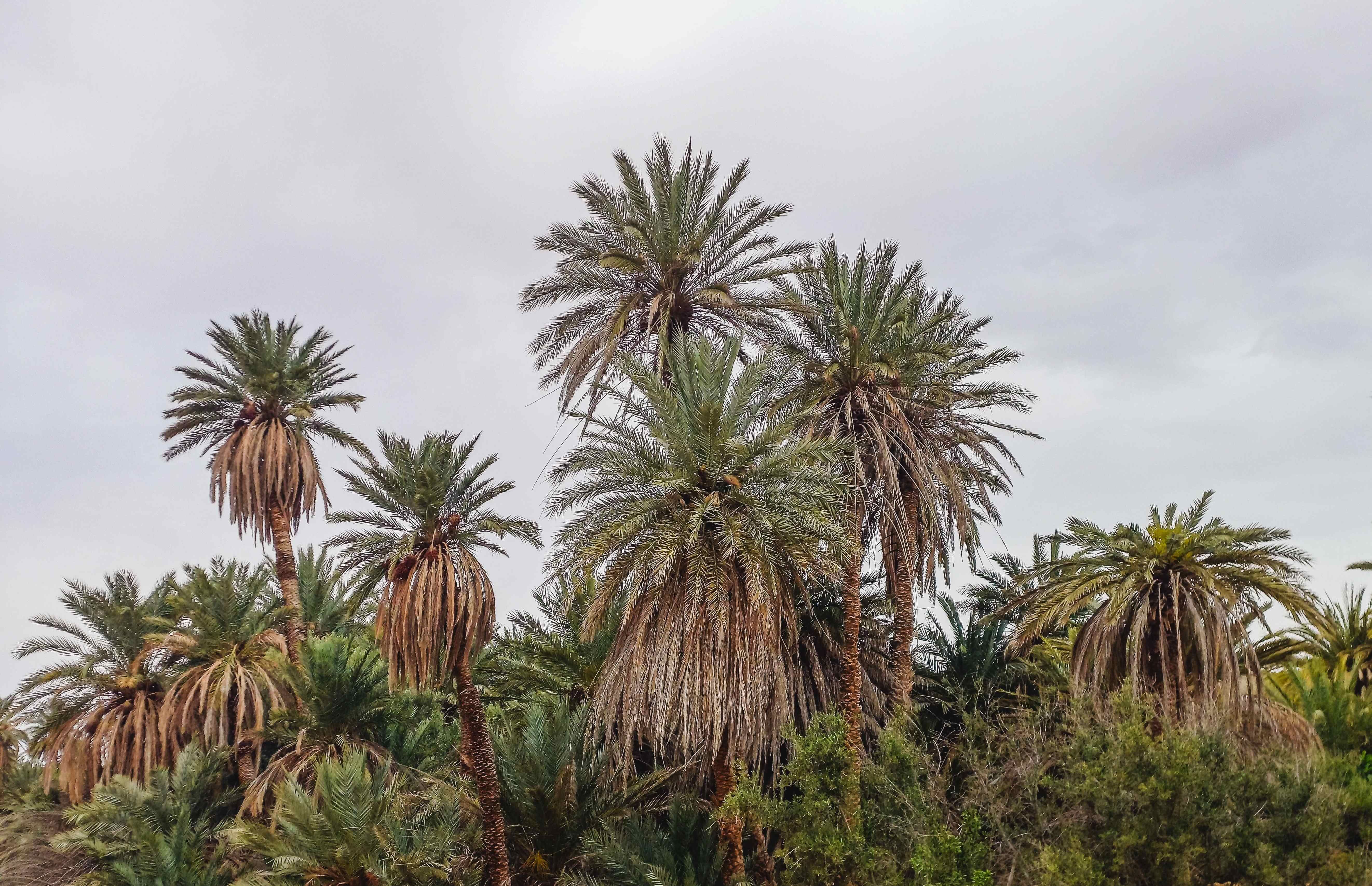
Here, in this ancient refuge, the Numidian civilization embraced the culture of the Amazigh Chleuh people in a unique human and historical fusion. The traditions of the ancient Amazigh tribes met the vibrant trade routes of caravans crossing from the heart of the Sahara toward the Mediterranean north. Ifrane was, and remains, a living crossroads — where souls passed before bodies, where commerce flourished, and where ideas and religions intertwined, leaving upon its solid rocks and red earthen walls an eternal memory that time can never erase, but which grows brighter with every sunrise over the Atlas Mountains.
Historical milestones
The first roots and the cave civilization
Historical evidence and accounts indicate that Ifrane of the Anti-Atlas has deep roots in antiquity, where it was first inhabited by early Amazigh populations. These people took refuge in “Ifri” (natural caves and grottoes), using them as safe shelters in the heart of the towering mountains, before mastering the harshness of nature with ingenuity. They went on to build the first stable settlements from clay and stone, establishing a way of life that combined the strength of fortresses with the fertility of the oasis.
In the records of major geographers
Ifrane did not remain isolated among the mountains; instead, it established itself as a prominent center. It was immortalized by the Andalusian geographer Abu Ubayd al-Bakri in the 11th century in his encyclopedia Routes and Kingdoms, and later mentioned by the scholar Ibn Khaldun, who both emphasized its strategic importance as a thriving town, full of activity, and a vital meeting point on the trade routes of caravans coming from the depths of the Sahara.
Mármol’s testimony on urban sophistication
When the Spanish historian and traveler Luis del Mármol Carvajal journeyed through the region, he documented his deep admiration for the city of Ifrane. In his writings, he described its fortified historical kasbahs and its weekly markets, which were bustling with lively caravan trade. He also praised its strong social system and traditional governance (the “jama‘a” system), which managed the affairs of the oasis with wisdom, as well as its ancient mosques that sheltered students of knowledge and jurists.
The peak of commercial and intellectual radiance
The oasis reached the height of its prosperity as an economic and spiritual center. The alleys of the old Mellah flourished as a unique symbol of coexistence and trade between Muslims and Jews. During this period, the traditional schools of Ifrane emerged as beacons of knowledge, attracting students from all directions. From this intellectual radiance, great figures arose, most notably the distinguished historian and writer Muhammad al-Saghir al-Ifrani, who carried the name and glory of the oasis to the major cities of Morocco.
“Valley of Literati” and the path of liberation
At the beginning of the twentieth century, the scholar Al-Mukhtar al-Soussi settled to seek knowledge at the ancient “Tinkert” school in Ifrane. There, he was captivated by the brilliance of its people and the abundance of its jurists and poets, and he gave it its lasting title, “Valley of Literati.” With the dawn of the national movement, the people of Ifrane did not fail to respond to the call of the homeland; rather, they contributed bravely to the struggle for independence, and after independence continued to build modern Morocco in various fields, carrying in their hearts the pride and dignity of the Anti-Atlas.
A thousand years of Jewish presence in Ifrane
Among the most beautiful and humane chapters in the history of Ifrane is that rare coexistence that brought Muslims and Jews together under one sky for more than two thousand years. According to oral tradition, Jewish ancestors carried their scriptures and memories from the Levant, crossed the African desert, and settled along the banks of Ashif n Ifrane, where they sought permission from the Amazigh inhabitants to reside, and were graciously welcomed. In the Mellah adjacent to the Amazigh ksour, a deeply rooted Jewish community developed; it crafted silver jewelry, mastered trade, and left its memory in an ancient cemetery considered the oldest of its kind in southern Morocco. Its members departed in 1958, leaving behind sorrow in the hearts of their neighbors and an indelible legacy that every stone in the enduring Mellah still speaks of.
See the spirit of the oasis with your own eyes
A flight through time that traces the transformations of Ifrane of the Anti-Atlas between yesterday and today, in a journey that reveals the geography of the oasis.